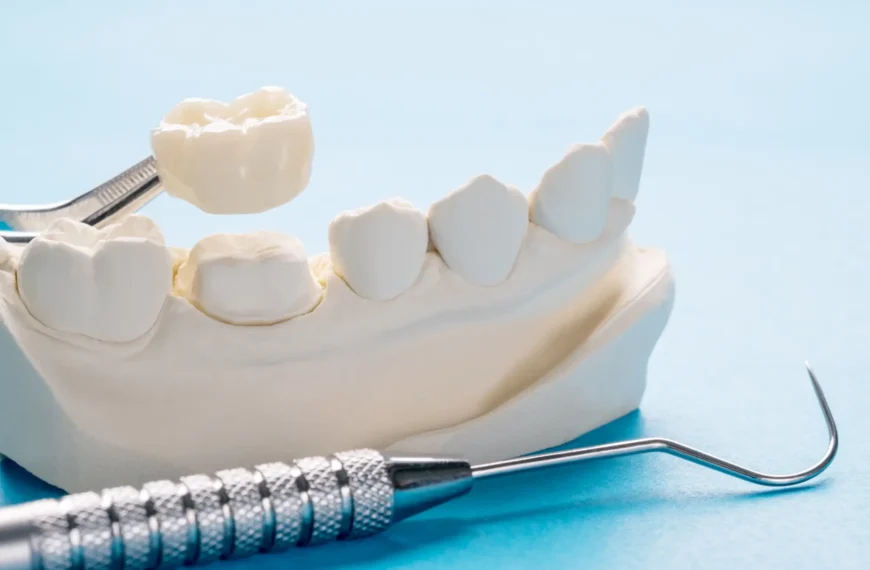
You might be looking in the mirror and focusing on that one front tooth that is a little crooked, or the stains that never seem to go away, or the small chip you see every time you smile in a photo. At Pearl Dental Care in Kingston, it is normal to want your teeth to look better. You may even feel a bit embarrassed or impatient, thinking, “I just want this fixed now.”
At the same time, there may be a quiet worry in the background. Maybe you have not had a checkup in a while. Maybe you sometimes feel a twinge when you drink something cold, or you avoid chewing on one side. You might be wondering if it is safe to move ahead with whitening, veneers, or other cosmetic treatments when you are not completely sure how healthy your teeth and gums are.
Here is the short version. Cosmetic dentistry can absolutely improve your confidence, but preventive dental care should always come before cosmetic dental work. When you protect and stabilize your oral health first, cosmetic treatment lasts longer, looks better, and costs you less stress and money over time.
So where does that leave you if you want a nicer smile but also do not want to ignore possible problems under the surface.
Why does health have to come before a better-looking smile
Think of your mouth like a house you care about. Cosmetic treatments are the paint, the new lighting, the updated front door. Preventive care is the foundation, the wiring, the plumbing. You can put beautiful siding on a house, but if the foundation is cracked, you are paying for something that will not hold up.
The same tension shows up in dentistry. You might really want whitening or veneers, yet feel unsure about cavities, gum health, or sensitivity. That is not you being “difficult.” That is you picking up on something important.
Here are three core reasons preventive care must come first, even when you are focused on improving your smile.
Reason 1. Hidden problems can turn cosmetic work into a short-term fix
Cosmetic treatments depend on healthy teeth and gums. If there is decay, infection, or gum disease that has not been addressed, cosmetic work can cover the problem for a while but cannot stop it from getting worse underneath.
For example, imagine you get professional whitening without a recent exam. There is a small cavity between two back teeth that you cannot see. The whitening makes your smile brighter, which feels great, but the cavity continues to grow. A few months later, that tooth starts to ache. Now you need a filling or maybe a root canal, and the new restoration might not match your newly whitened teeth. You end up re-doing work and paying twice.
This is why the American Dental Association emphasizes early detection and management of decay using a structured caries risk assessment approach. When your dentist knows your risk level for cavities, they can treat issues early and reduce the chance that problems will undermine your cosmetic plans.
So the first reason is simple. If you skip preventive care, cosmetic work is sitting on shaky ground and may not last.
Reason 2. Preventive care usually costs less than fixing avoidable damage
There is a financial side to this that is easy to overlook when you are focused on how your smile looks today. Cleanings, exams, fluoride treatments, and early cavity care might feel like “extra” costs when you really want to spend on whitening or veneers. In reality, they are usually the cheapest part of your long term dental picture.
Many professional groups push for stronger insurance coverage for preventive care, precisely because it saves money over time. For example, ADA leaders have urged insurers to expand coverage for preventive services such as cleanings, exams, and early interventions, because these services reduce the need for more complex, expensive treatment later. You can see that emphasis in their statement encouraging insurers to cover preventive services more fully.
Ignoring preventive care while investing in cosmetic work can flip that equation. You may pay for veneers while a small area of gum disease is quietly destroying bone. Or you may get bonding on a tooth that really needed a crown. The cosmetic treatment may fail early, and now you are paying for both repair and replacement.
This is the second reason preventive care comes first. It protects your cosmetic investment and your wallet.
Reason 3. A healthy foundation makes cosmetic results more natural and longer lasting
You might also be wondering about the quality of the final result. Will your smile look natural. Will it age well. This is where a strong preventive base makes all the difference.
Healthy gums frame your teeth. If your gums are inflamed, receding, or uneven, even the most carefully crafted veneers or bonding can look off. Once gum disease is treated and your gums are stable, your dentist can shape cosmetic care around a healthier, more predictable frame. That is how you get a result that looks like “you, just better,” rather than obviously artificial.
The same idea applies to bite alignment and wear. If you grind your teeth or your bite is uneven, cosmetic restorations can chip or crack more easily. A thoughtful dentist will address those functional issues as part of preventive and general care, then layer cosmetic treatment on top. That combination of general and cosmetic dentist services protects both function and appearance.
In short, prioritizing preventive dental care before cosmetic treatment gives you a better looking smile, but also one that stays that way longer.
How does preventive vs cosmetic care compare in real life
It can help to see the differences side by side. Picture two paths. On one, you focus on whitening and veneers first. On the other, you start with a checkup, cleaning, and basic repairs, then move into cosmetic work.
| Question | Preventive Care First | Cosmetic Work First |
|---|---|---|
| Typical starting steps | Exam, X rays, cleaning, gum evaluation, risk assessment | Whitening, bonding, veneers, or aligners without full health review |
| Short term outcome | Health issues identified and treated, cosmetic plan tailored to your mouth | Smile may look better quickly, but underlying issues can be missed |
| Risk of hidden problems | Lower, because decay and gum disease are checked and managed early | Higher, especially for cavities between teeth or early gum disease |
| Long term cost | Often lower. Fewer surprise emergencies and re do procedures | Often higher. More repairs, replacements, and sometimes emergency care |
| Longevity of cosmetic work | Usually better, because restorations sit on a stable, healthy foundation | Often shorter, because disease or bite problems can damage restorations |
| Insurance support | Preventive and basic care often have stronger coverage | Cosmetic procedures are often partly or fully out of pocket |
Professional guidelines even encourage insurers and dental benefit plans to prioritize preventive and diagnostic services for both adults and children. For instance, the American Academy of Pediatric Dentistry stresses that model dental benefits should support early and ongoing preventive care so that more serious problems are avoided. You can see that perspective in their model dental benefits recommendations.
So if you are torn between fixing how things look and dealing with what you cannot see, know that doing the health work first usually leads to fewer surprises later.
Three practical steps you can take right now
So what can you do today if you are thinking about whitening, veneers, or other cosmetic dentistry, but you also want to be smart about your health.
1. Schedule a thorough exam before any cosmetic treatment
Ask specifically for a full checkup that includes X rays, a gum evaluation, and a conversation about your cavity and gum disease risk. Mention that you are interested in cosmetic changes, and ask your dentist to map out what needs to be done first to stabilize your oral health. This simple step turns cosmetic dentistry into part of a bigger, safer plan.
2. Make a short list of preventive priorities
After the exam, ask your dentist to prioritize what must be addressed before cosmetic work. That list might include a deep cleaning, a few fillings, or treatment for sensitivity. Even if you cannot do everything at once, knowing the order of importance reduces stress. You can choose to handle the most urgent health issues now, then schedule cosmetic care once the foundation is ready.
3. Ask how to protect results after cosmetic work
Preventive care does not stop once cosmetic treatment is done. Talk with your dentist about how often you should have cleanings, what products to use at home, and whether you need a night guard if you grind your teeth. When preventive care continues after cosmetic work, your new smile is more likely to stay bright and stable.
See also: Pond Fountains vs Aerators: Which One Fits Your Water Feature
Moving forward with confidence about your smile
You do not have to choose between a healthy mouth and a nicer smile. When you put prevention first, you give any cosmetic treatment a real chance to succeed and last. That is the heart of smart general and cosmetic dentist care. You address disease, protect your teeth and gums, then enhance the way everything looks.
If you feel a little behind on checkups or worried about what a dentist might find, you are not alone. Many people feel that way before they take the first step. What matters is not how long it has been. What matters is that you choose your next step with clarity and respect for your long term health.
Your smile can look better and stay healthier when you build on a strong foundation. Start with prevention, then choose cosmetic care that is designed to last.