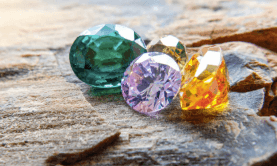
Lab-created gemstones have rapidly grown in popularity as more buyers look for beautiful, affordable, and ethically sourced alternatives to natural stones. Whether you’re shopping for an engagement ring, a statement piece, or a collector’s gem, understanding how these stones are made and what sets them apart is essential. Among the many options available, lab grown alexandrite has become especially sought-after for its unique color-changing properties and rarity in nature.
What Are Lab-Created Gemstones?
Lab-created gemstones, also known as synthetic or man-made stones, are produced in controlled laboratory environments using advanced technology that replicates the natural formation process. These stones have the same chemical composition, physical properties, and optical characteristics as their natural counterparts.
Unlike imitation stones, which only mimic the appearance, lab-created gems are real gemstones. For example, lab grown alexandrite exhibits the same dramatic color shift—from greenish hues in daylight to reddish tones under incandescent light—as natural alexandrite.
Why Choose Lab-Created Stones?
One of the main reasons buyers are drawn to lab-created gems is affordability. Natural gemstones, especially rare ones like alexandrite, can be extremely expensive. In contrast, lab grown alexandrite offers the same visual appeal at a fraction of the price, making it accessible to a wider range of buyers.
Ethical sourcing is another important factor. Traditional gemstone mining can have environmental and social impacts. Lab-created stones eliminate the need for mining, making them a more sustainable and conflict-free choice.
Additionally, lab-created gemstones often have fewer inclusions and imperfections. This means you can find a high-quality lab grown alexandrite with excellent clarity and vibrant color without paying premium prices.
Understanding the Value
While lab-created gemstones are more affordable, they also tend to have lower resale value compared to natural stones. This is important to keep in mind if you’re purchasing with long-term investment in mind.
However, for most buyers, the appeal lies in beauty and wearability rather than resale. A well-cut lab grown alexandrite can be just as stunning as a natural stone and is perfect for everyday jewelry.
Durability and Wearability
Durability is a key consideration when choosing any gemstone. Alexandrite ranks high on the Mohs hardness scale, making it suitable for daily wear. A lab grown alexandrite shares this same durability, making it an excellent choice for rings and other frequently worn pieces.
Because these stones are created in controlled environments, they are often structurally sound and less prone to fractures compared to some natural stones.
Certification and Authenticity
When buying lab-created gemstones, always look for certification from a reputable gemological laboratory. Certification ensures that the stone is genuinely lab-created and provides details about its quality, including cut, clarity, and color.
A certified lab grown alexandrite gives you confidence in your purchase and helps you understand exactly what you’re buying. Reputable sellers will always provide transparent information and documentation.
See also: Mistakes to Avoid When Hiring A Supply Chain Consultant in KSA
Color and Quality Factors
Color is one of the most important aspects of any gemstone, and it’s especially significant for alexandrite. The value of lab grown alexandrite largely depends on the strength and clarity of its color change.
When evaluating a stone, look for a distinct and noticeable shift between colors. Stones with a vivid transition tend to be more desirable. In addition to color, consider cut, clarity, and carat weight, just as you would with any gemstone.
Comparing to Natural Alexandrite
Natural alexandrite is one of the rarest gemstones in the world, which is why it commands such high prices. While some collectors prefer natural stones for their rarity, lab grown alexandrite offers a practical alternative without compromising on beauty.
In fact, many people cannot distinguish between natural and lab-created versions without specialized equipment. This makes lab-grown options ideal for those who want the look and feel of luxury without the high cost.
Where to Buy
Choosing a trustworthy retailer is crucial when purchasing lab-created gemstones. Look for sellers with strong reputations, clear return policies, and positive customer reviews.
When shopping for lab grown alexandrite, it’s also helpful to compare multiple options and ask questions about the stone’s origin, certification, and quality. A reliable jeweler will be happy to provide detailed information and guide you through the selection process.
Final Thoughts
Buying lab-created gemstones can be a rewarding experience when you know what to look for. They offer a combination of beauty, affordability, and ethical sourcing that appeals to modern consumers.
Whether you’re drawn to the mesmerizing color shift or the practical benefits, lab grown alexandrite stands out as an exceptional choice. By understanding the key factors—such as quality, certification, and durability—you can make a confident and informed purchase that you’ll enjoy for years to come.