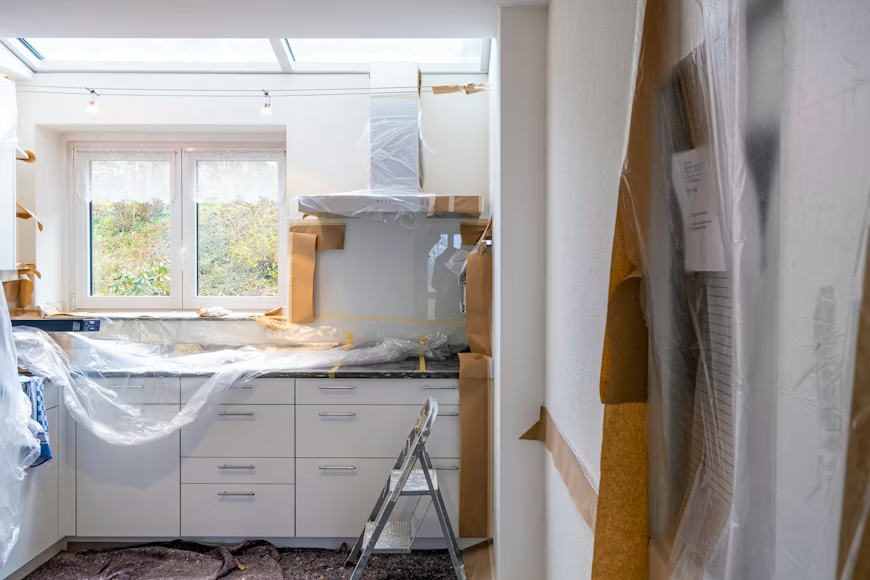
Kitchens get worn faster than most rooms. The cabinets show their age. The countertops collect chips along the edges. Lighting that worked a decade ago feels flat now. You don’t always need a full tear-out to fix any of that. A focused refresh can change how the room feels and how it works without putting you out of your home for months.
If you are looking for honest guidance before you start, Expecting The Best covers practical home and lifestyle topics that help you plan with a clearer head. The blog walks through real-world ideas across home, business, and health subjects, so you get a sense of what works in everyday situations. Use it as a research stop before you call contractors or start ordering materials. A bit of reading early on saves you from regret later.
Start With the Layout, Not the Finishes
Most homeowners jump straight to cabinet colors and tile samples. That’s the wrong order. Walk through your kitchen at the times you actually use it. Notice where you bump into someone. Notice which drawer you open most. Notice the spot where groceries pile up because there’s nowhere to set them down.
A small layout shift often does more than fancy finishes. Moving the fridge two feet over. Swapping a built-in oven for a slide-in range to free up wall space. Knocking down a half-wall that always made the room feel smaller than it is. These choices change how the kitchen feels for years, while a new backsplash mostly changes how it photographs.
Cabinets You Keep, Cabinets You Replace
Solid wood cabinet boxes can last decades. The doors and the hardware date a kitchen faster than the boxes themselves. If your cabinet bodies are still square and sound, refacing or repainting them costs a fraction of replacement and gives you a near-new look. Add soft-close hinges. Swap the pulls for something that feels good in your hand.
Replace boxes only when they are warped or water-damaged, or when the layout is so bad no door change will fix it. Pantry pull-outs and deep drawers in the lower run beat fixed shelves every time. You stop losing sight of things at the back, which is where half a typical pantry usually goes to die.
Lighting in Layers
A single ceiling fixture is the cheapest mistake a kitchen can have. You need overhead light for general visibility. Task light over the counters helps when you chop or read recipes. A layer of accent light adds warmth in the evening and keeps the room from feeling clinical.
Under-cabinet LED strips are the easiest upgrade you can make in a weekend. They throw light exactly where you need it. Pendant lights over an island give you focused work light and a design anchor at the same time. Pick warm bulbs around 2700K to 3000K so the food on your counter looks the way food should look.
Counters and Backsplash, Without the Hype
Quartz dominates the market because it’s hard and low-maintenance. It also forgives the occasional hot pan or wine spill. Granite still has fans for the natural pattern variation. Butcher block fits a smaller budget and a softer look, though it asks for occasional oiling. Pick what suits how you cook, not what you saw in a showroom photo.
For backsplash, classic subway tile still ages well. Larger format tiles with thin grout lines look cleaner and are easier to wipe down. Skip anything with deep texture above the cooktop. You will resent it the first time you scrub off splattered tomato sauce.
Storage That Works the Way You Cook
Look at how you actually move when you cook. Knives belong near the cutting station, and pots near the stove. Spices should sit within arm’s reach of where you season, not across the room above the fridge. Drawer dividers and vertical tray storage above the oven sound minor. So does a dedicated drawer for cling film and foil. They feel like a daily upgrade once you live with them.
If you have an island, plan its storage on day one. An island full of dead cabinet space is wasted square footage. Seating, drawers facing the working side, and a spot to plug in a stand mixer turn an island into a workhorse rather than a giant table.
See also: Working With Interior Design Firms in Mangalore: What the First Meeting Should Cover
Smart Appliances Worth the Spend
Touchless faucets keep getting better and cheaper. So do induction cooktops and smart ovens. Induction in particular is worth a serious look if you are replacing your range. It heats faster than gas and holds temperature more steadily. The surface stays cool around the burners too. Some buyers worry about adapting to it, but most adjust within a week.
Be picky with smart features. A fridge with a screen on the door rarely earns its price. A dishwasher with a third rack and a soil sensor earns it every wash. Spend on what runs daily, not on what looks good in a marketing video.