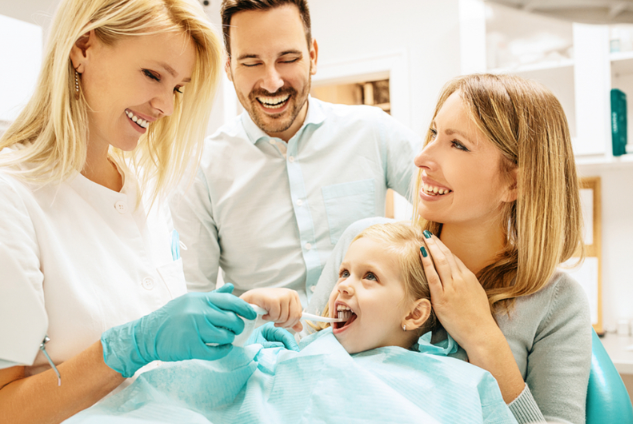
You might have noticed it little by little. The same family dentist who used to focus on cleanings, fillings, and the occasional crown now talks about whitening, bonding, clear aligners, and smile makeovers. As a family dentist in Buffalo Grove, this shift can be especially noticeable in a community-focused practice. You may feel a mix of curiosity and concern. Is this really about better care, or is it just about selling more treatments?end
That tension is very real. You want a healthy mouth, you want your family to feel confident when they smile, and you do not want to be pushed into something you do not need. At the same time, modern dentistry has changed fast. The line between “necessary” and “cosmetic” is not as clear as it used to be.
Here is the short version. Family dentistry practices are expanding cosmetic offerings because materials have improved, patients care more about how their teeth look, and many cosmetic procedures now overlap with everyday restorative care. When done thoughtfully, cosmetic options can protect teeth and boost confidence. The key is understanding what is being offered, why, and whether it fits your needs and budget.
What changed to make cosmetic dentistry part of family care?
It used to be simple. You went to a family dentist to fix problems and relieve pain. You went somewhere else if you wanted a “Hollywood smile.” Today, those worlds are blending.
One big reason is the progress in dental materials. Tooth colored fillings, strong ceramics, and advanced bonding systems mean that a lot of what used to look “cosmetic” is now the standard for routine treatment. Composite resins for direct restorations are a good example. These are the tooth colored materials used for many fillings and repairs. They are widely studied and supported by organizations like the American Dental Association, which shares information about materials for direct restorations.
On top of that, people care much more about appearance than in past generations. Social media, remote work, constant video calls, and a stronger focus on self confidence all play a role. A chipped front tooth that someone might have ignored 20 years ago now feels like a daily reminder every time they see their reflection on screen. So patients are asking for more options, and family dentists are responding.
So where does that leave you, sitting in the chair, trying to make sense of “family and cosmetic dentist” on the door?
See also: EdTech Startups Disrupting Education
When does cosmetic dentistry actually solve a real problem?
This is where things get nuanced. There is a difference between being offered a thoughtful option that improves both health and appearance, and being pressured into an expensive smile makeover you did not ask for.
Think about a few common situations.
A parent brings in a teenager who is embarrassed to smile because of discolored front teeth after trauma. The teeth are healthy enough to keep, but they look very different from the others. Bonding or veneers could restore a natural look and protect the damaged teeth. This is cosmetic, but it also has a huge emotional impact and can prevent further wear.
Or imagine an adult who has several old metal fillings that are starting to fail. The dentist suggests replacing them with tooth colored onlays or crowns. These are “indirect restorations” that are made outside the mouth, then cemented in place, often using modern ceramics or composite materials. The ADA also provides guidance on materials for indirect restorations, and many of these materials are both strong and natural looking. The treatment is still restorative, yet the result is also cosmetic.
The stress comes when you are not sure whether something is truly needed, or just “nice to have.” You may hear about whitening, aligners, or veneers and wonder if saying no means you are neglecting your teeth, or if saying yes means you are overspending.
This is exactly why many families now look for a family and cosmetic dentist who can speak openly about both sides. The cosmetic side of dentistry is not just about beauty. It is about choices. Some improve function, some protect tooth structure, some simply make you feel better about your smile. The right conversation helps you sort these out.
How do the benefits and risks of cosmetic options compare?
To make clearer decisions, it helps to compare common goals with what a family practice that offers cosmetic services might suggest, and what you should watch for. Think of this as a starting point for questions, not a strict rulebook.
| Goal or Concern | Typical Cosmetic Option in a Family Practice | Key Benefits | Potential Tradeoffs / Questions to Ask |
|---|---|---|---|
| Fix a chipped or worn front tooth | Tooth colored bonding or porcelain veneer | Quick result, natural look, can protect remaining tooth | How much tooth will be removed, how long will it last, what is the cost to repair or replace |
| Replace old dark fillings | White fillings, inlays, or onlays using modern materials | Stronger materials, better seal, more natural appearance | Is replacement needed now, or just for looks. Will insurance cover any part of it |
| Whiten stained teeth | In office or take home professional whitening | Faster and usually more predictable than over the counter products | Possible sensitivity, how often it must be repeated, total long term cost |
| Straighten mild crowding or spacing | Clear aligners provided by the family dentist | Improved cleaning access, better bite, boost in confidence | Is orthodontic training adequate, are X rays and full exams done before treatment |
| Replace missing tooth in a visible area | Ceramic bridge or implant crown | Restores chewing, protects neighboring teeth, natural look | Healing time, maintenance needs, cost compared to other options like partial dentures |
Behind these choices is a lot of research on dental materials and techniques. Institutions such as the National Institute of Dental and Craniofacial Research support ongoing work in this area, including research on dental materials that affects both restorative and cosmetic care. That science is part of why cosmetic options are now safer and more predictable in everyday family practices.
So the question for you is not “Is cosmetic dentistry good or bad” but “Which cosmetic options actually support my health, my confidence, and my budget, right now.”
What should you do before saying yes to cosmetic dental treatment?
When a family dentist offers cosmetic options, you do not need to respond on the spot. You can slow the conversation down and get the clarity you deserve.
1. Ask for a clear separation of “need” versus “nice to have”
Invite your dentist to walk you through your mouth tooth by tooth. Which treatments are necessary to stop decay, prevent fractures, or address pain. Which are mainly for appearance. Which fall in the middle, where health and looks overlap.
Ask for this in plain language. For example. “If I do nothing for one year, what happens.” This helps you see which items are urgent and which are optional. It also reduces that sense of being rushed or upsold.
2. Get a written plan with options and costs
Ask for a written treatment plan that includes at least two paths. One that focuses on urgent health needs. One that adds cosmetic choices. Make sure the plan shows costs, what insurance might cover, and what can wait.
If something like veneers, whitening, or clear aligners is recommended, ask about alternatives. Sometimes a small amount of bonding or a more conservative restoration can give you a result you feel happy with, at a lower cost and with less impact on your teeth.
3. Consider your emotional “why” as much as the clinical “what”
Cosmetic dentistry is not just a technical decision. It is a personal one. Ask yourself what is really bothering you. Is it one dark tooth that makes you hide your smile in photos. Is it long standing embarrassment about crooked teeth. Or is it more of a general feeling that you “should” have a perfect smile because you see it everywhere.
When you are clear on your “why,” it becomes easier to decide whether a suggested cosmetic treatment matches your actual needs. It also helps you communicate with your dentist, so the plan feels tailored to you, not just pulled from a menu of services.
How can you feel confident choosing a family and cosmetic dentist?
You do not have to become an expert in dental materials or techniques to make good choices. What you do need is a practice that is willing to educate you, respect your limits, and see you as a whole person, not just a set of teeth.
Many families now look for a practice that openly describes itself as a family and cosmetic dentist because it signals they can handle both routine health needs and appearance concerns in one place. The label by itself does not guarantee quality. The real test is how they listen, explain, and plan with you.
If you leave the office feeling heard, with a written plan, a clear sense of what is urgent and what is optional, and time to think, that is a good sign. If you leave feeling pressured or confused, it is reasonable to pause, ask more questions, or even seek a second opinion.
Modern cosmetic dentistry inside family practices is not going away. The materials will keep improving, and patient expectations will keep rising. Your power lies in slowing the process down, asking honest questions, and choosing only what truly supports your health, your confidence, and your life right now.
You deserve to feel calm and informed in that chair. With the right information and a dentist who treats you like a partner, cosmetic options can move from something stressful and unclear to something thoughtful and genuinely helpful for you and your family.