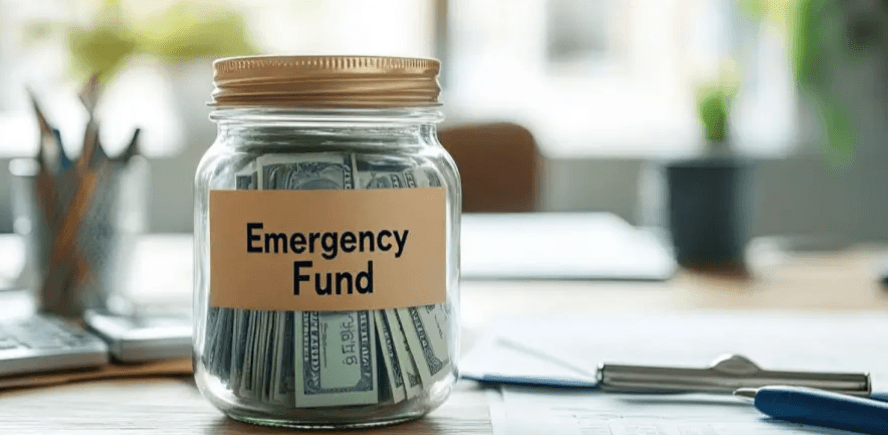
An emergency fund is one of the most important financial tools you can have. Life is unpredictable, and unexpected expenses can happen at any time. Whether it’s a medical emergency, job loss, car repair, or home maintenance issue, having money set aside can help you avoid debt and reduce financial stress.
In this guide, we’ll explore Emergency Fund Examples, explain why they matter, how much you should save, and practical strategies to build your own emergency fund. By the end of this article, you’ll have a clear understanding of how different people use emergency funds in real-life situations and how you can create one that fits your lifestyle.
What Is an Emergency Fund?
An emergency fund is money that is saved specifically for unexpected expenses. It is not meant for vacations, shopping, or entertainment. Instead, it acts as a financial safety net during difficult times.
A good emergency fund helps you:
- Handle unexpected medical bills
- Cover temporary job loss
- Pay for emergency car repairs
- Fix urgent home maintenance issues
- Manage family emergencies
- Avoid relying on credit cards or loans
Financial experts generally recommend saving three to six months’ worth of essential living expenses. However, even starting with a small amount is better than having no savings at all.
Why Emergency Funds Matter
Without emergency savings, many people turn to high-interest credit cards or personal loans when unexpected expenses arise. This can lead to long-term financial problems.
Benefits of having an emergency fund include:
- Reduced financial stress
- Better money management
- Greater financial independence
- Less reliance on debt
- Improved peace of mind
- Protection against unexpected life events
Building an emergency fund isn’t about becoming rich overnight. It’s about preparing for life’s surprises.
Emergency Fund Examples
Here are several realistic Emergency Fund Examples that show why having emergency savings is so important.
Example 1: Unexpected Medical Expense
Sarah suddenly developed severe stomach pain and required emergency surgery. Although her health insurance covered part of the cost, she still had to pay a large deductible.
Because Sarah had saved $5,000 in her emergency fund, she paid the bill without using credit cards or borrowing money.
Lesson: Medical emergencies happen without warning.
Example 2: Car Breakdown
David relies on his car to commute to work every day. One morning, the transmission failed, and the repair cost $2,300.
Fortunately, his emergency fund covered the repair immediately, allowing him to continue working without financial stress.
Lesson: Vehicle repairs can happen at any time.
Example 3: Job Loss
Emma unexpectedly lost her job due to company layoffs.
She had saved six months of living expenses in her emergency fund. This allowed her to continue paying rent, utilities, groceries, and insurance while searching for a new job.
Lesson: Job security isn’t guaranteed.
Example 4: Home Repair
A severe storm damaged the roof of John’s house.
Insurance covered most of the repair costs, but he still had to pay a significant deductible.
His emergency savings prevented him from taking out a high-interest loan.
Lesson: Homeowners should always prepare for unexpected repairs.
Example 5: Family Emergency
Lisa’s father became seriously ill, requiring her to travel across the country on short notice.
Flights, hotel expenses, transportation, and meals cost over $1,800.
Because she had emergency savings, she could focus on her family instead of worrying about money.
Lesson: Family emergencies often involve unexpected travel costs.
Example 6: Pet Emergency
Michael’s dog suddenly became very sick and required emergency surgery costing nearly $3,000.
Rather than delaying treatment or using credit cards, Michael paid using his emergency fund.
Lesson: Pet owners should also prepare for unexpected veterinary bills.
Example 7: Emergency Appliance Replacement
Jessica’s refrigerator stopped working during the summer.
Replacing it cost over $1,200.
Since she had emergency savings, she purchased a replacement immediately without disrupting her monthly budget.
Lesson: Household appliances eventually fail.
Example 8: Natural Disaster
After heavy flooding damaged part of their home, the Brown family faced immediate cleanup expenses before insurance reimbursement arrived.
Their emergency fund covered temporary housing, food, and emergency supplies.
Lesson: Natural disasters often create unexpected expenses.
How Much Should You Save?
Everyone’s financial situation is different.
Here is a simple guideline:
- Beginner Goal: $500–$1,000
- Moderate Goal: Three months of living expenses
- Ideal Goal: Six months of living expenses
- Self-employed workers: Six to twelve months of expenses
If your monthly essential expenses are $2,000, aim for:
- 3 months = $6,000
- 6 months = $12,000
The key is consistency rather than saving everything at once.
How to Build an Emergency Fund
Building an emergency fund takes time, but these simple strategies can help:
Set a Savings Goal
Choose a realistic target based on your monthly expenses.
Create a Monthly Budget
Track your income and expenses to identify areas where you can save money.
Save Automatically
Set up automatic transfers to your savings account each payday.
Reduce Unnecessary Spending
Small savings add up over time.
Consider cutting back on:
- Dining out
- Streaming subscriptions
- Impulse shopping
- Expensive coffee purchases
Use Extra Income
Save:
- Tax refunds
- Bonuses
- Freelance income
- Gifts
- Cashback rewards
Instead of spending unexpected income, add it to your emergency fund.
Where Should You Keep Your Emergency Fund?
Your emergency savings should be easy to access while remaining separate from your everyday spending money.
Good options include:
- High-yield savings accounts
- Money market accounts
- Separate bank savings accounts
- Credit union savings accounts
Avoid investing emergency funds in stocks or other high-risk investments because their value can fluctuate when you need the money most.
See also: Cheap Bookkeeping vs Professional Bookkeeping: What Is Better for Small Businesses?
Common Emergency Fund Mistakes
Many people make these mistakes:
Spending It on Non-Emergencies
An emergency fund should only be used for genuine emergencies.
Buying a new phone or taking a vacation doesn’t qualify.
Waiting Until You Earn More
Many people delay saving because they believe they need a higher income.
Starting with even $20 per week can make a meaningful difference over time.
Keeping Too Much Cash at Home
Large amounts of cash at home can be lost, stolen, or damaged.
A secure savings account is generally a safer option.
Not Rebuilding the Fund
After using emergency savings, begin rebuilding the balance as soon as possible.
Tips for Growing Your Emergency Fund Faster
Here are practical ways to save more quickly:
- Set weekly savings goals.
- Use budgeting apps to monitor spending.
- Cancel unused subscriptions.
- Sell items you no longer need.
- Take on freelance or part-time work.
- Save annual bonuses and tax refunds.
- Avoid lifestyle inflation when your income increases.
Consistency matters more than the amount you save each month.
Who Needs an Emergency Fund?
The answer is simple—everyone.
An emergency fund is especially important for:
- Students
- Families
- Homeowners
- Renters
- Freelancers
- Small business owners
- Retirees
- Single-income households
Regardless of your income level, unexpected expenses can happen.
(FAQs)
What is an emergency fund?
An emergency fund is money saved specifically for unexpected financial emergencies such as medical bills, job loss, or major repairs.
How much should I save?
Most financial experts recommend saving three to six months of essential living expenses, though even $500–$1,000 is a helpful starting point.
Where should I keep my emergency fund?
A separate savings account or high-yield savings account is a good choice because it keeps your money accessible while earning some interest.
Can I invest my emergency fund?
It’s generally better not to invest emergency savings in volatile assets. The money should be available when you need it without the risk of losing value.
How long does it take to build an emergency fund?
The timeline depends on your income and savings rate. Many people reach their first savings goal within several months by making consistent contributions.
What counts as a real emergency?
Unexpected medical expenses, job loss, urgent home repairs, emergency travel, and major vehicle repairs are common examples of legitimate emergencies.
Conclusion
Learning from real-life Emergency Fund Examples shows why having emergency savings is essential for financial stability. Whether you’re dealing with a medical bill, unexpected job loss, home repairs, or a family emergency, a dedicated emergency fund helps you respond with confidence instead of relying on debt.
The best time to start building your emergency fund is today. Even small, regular contributions can grow into a meaningful financial cushion over time. By setting clear savings goals, following a budget, and keeping your emergency fund separate from everyday spending, you’ll be better prepared for whatever life brings your way.