You hear that your child has a cavity, and you brace yourself for a simple filling. Then the experienced pediatric dentist in Santa Ana says a crown may be the better choice. That can feel like a lot, especially when the tooth is “just a baby tooth.” You may be wondering why a small tooth needs a bigger treatment, whether it means the damage is worse than you thought, and how all of this fits into your child’s comfort, your schedule, and your budget.
The short answer is simple. Some baby molars are too weak or too damaged for a filling to last well. In those cases, a crown covers and protects the whole tooth, which can help your child chew comfortably and avoid repeat dental work. Why some children need a crown instead of a filling on a baby molar often comes down to how much tooth structure is left, where the cavity sits, and how long that tooth still needs to stay in place before it falls out naturally.
Baby molars sometimes need full coverage, not a small repair
A filling works best when the cavity is limited and enough healthy tooth remains to hold the material in place. The National Institute of Dental and Craniofacial Research explains that dental fillings are used to repair damage from decay, but they are not always the strongest answer for every tooth. Baby molars take a lot of force every day. They grind food, guide the bite, and hold space for adult teeth. When decay affects a large area, a filling can leave the tooth more likely to crack or wear down.
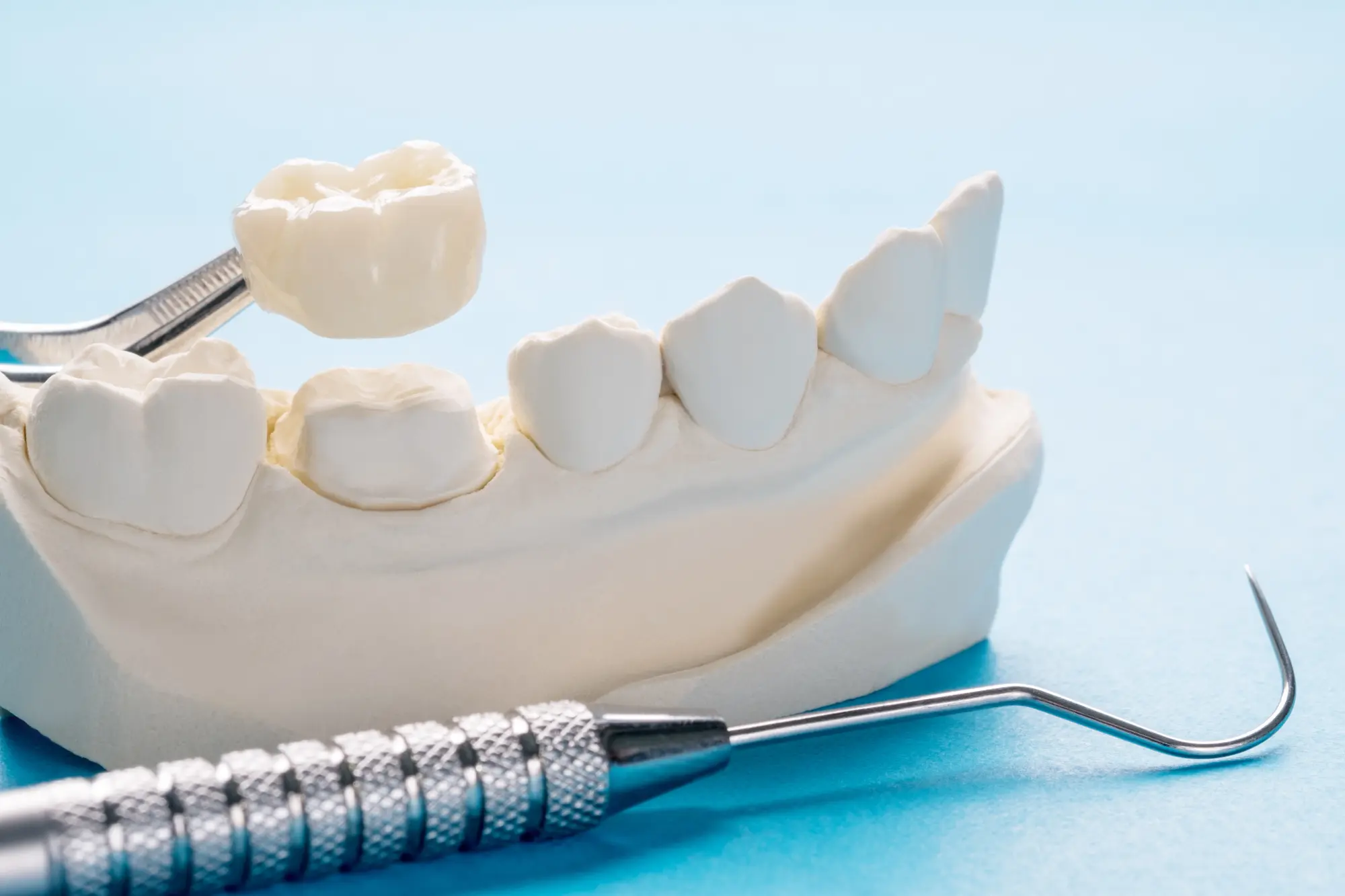
This is where a crown makes sense. A crown covers the visible part of the tooth instead of patching one section. For a child who has a large cavity, decay between multiple sides of the tooth, or a baby molar that had pulp treatment, full coverage can be the more stable choice. The American Academy of Pediatric Dentistry supports crowns in cases where children need stronger restorations for badly broken down primary teeth, as outlined in its guidance on pediatric restorative dentistry.
You may also be dealing with a child who is very young, has trouble sitting through treatment, or has a high cavity risk. In that situation, the best option is often the one most likely to last. A filling that fails in a year can mean another appointment, more stress, and a child who is even more nervous the second time.
Large cavities on baby molars can create bigger problems fast
Baby teeth matter more than many parents were told. They help with speech, chewing, jaw development, and space maintenance for adult teeth. When a baby molar is lost too early, nearby teeth can drift. That may affect how the permanent tooth comes in later.
Decay in children can also move quickly. MedlinePlus notes that tooth decay in children can progress fast because baby teeth have thinner enamel than adult teeth. A spot that looked small a few months ago can become a deep cavity that weakens the whole tooth. At that point, a simple filling may not have enough healthy tooth to hold onto.
Think about a baby molar with decay on the chewing surface and one side. If a filling is placed, the remaining walls of the tooth may still be thin and fragile. Your child bites into something chewy or crunchy, and part of the tooth breaks. The repair that looked smaller at first can turn into a larger treatment later. A crown often prevents that cycle by sealing and supporting the tooth from all sides.
This is one reason parents hear about a baby tooth crown vs filling decision even when the cavity did not seem dramatic from the outside. Cavities do not always look as large as they are, and X rays often show the full picture.
Fillings and crowns solve different problems
| TREATMENT | BEST FOR | MAIN BENEFIT | POSSIBLE DOWNSIDE |
| Filling | Small to moderate cavities with strong remaining tooth structure | Conserves more natural tooth and is often simpler | May fail sooner if the cavity is large or the tooth walls are weak |
| Crown | Large cavities, multi surface decay, cracked teeth, or teeth treated after nerve related care | Covers the whole tooth and usually offers better long term durability | Higher upfront cost and more involved treatment planning |
For many families, the hard part is not understanding what a crown is. It is trusting that the bigger treatment is actually the more practical one. If your child has one small cavity, a filling may be completely appropriate. If your child has deep decay on a back baby tooth that needs to last for years, a crown may be the treatment that avoids repeated repairs.
This is also why crowns for baby molars are common in pediatric dentistry. The goal is not to over treat. The goal is to choose the option that matches the condition of the tooth and the real life wear that tooth has to handle.
Three steps can help you make the right call
Ask how much healthy tooth is left. This is often the deciding factor. If the tooth is mostly intact, a filling may work well. If the remaining walls are thin or the cavity affects several surfaces, a crown may be more dependable.
Find out how long the baby molar needs to stay. Some baby molars remain in place until around ages ten to twelve. If your child is young, that tooth still has years of work ahead. A durable repair matters more when the tooth needs to last.
Talk through the long term plan, not just the day of treatment. Ask what happens if a filling chips, leaks, or falls out. Ask whether a crown lowers the chance of retreatment. A good pediatric dentist should be able to explain the choice in plain language and connect it to your child’s cavity risk, age, and bite.
See also: Commercial Storage for Small Businesses: A Practical Fix for Seasonal Inventory and Office Clutter
The right treatment protects your child’s comfort and the tooth’s job
Hearing that your child needs more than a filling can stir up guilt, worry, and second guessing. Most parents have that reaction. The bigger picture is reassuring. A crown on a baby molar is often the safer, more lasting way to protect a tooth that still has an important job to do.
If your child has been told they may need a crown instead of a filling, ask for a clear explanation of the tooth’s condition and the expected lifespan of each option. A pediatric dentist can help you weigh function, comfort, durability, and cost so you can move forward with confidence.