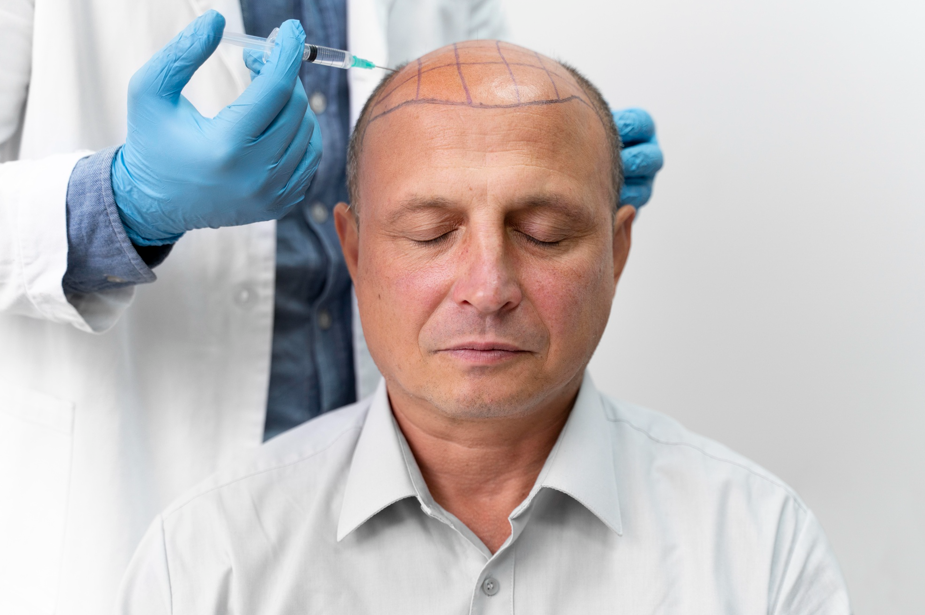
Combining Platelet-Rich Plasma (PRP) therapy with hair transplant surgery accelerates scalp healing, increases graft survival rates, and minimizes post-transplant shock loss for longer-lasting density.
Key Takeaways:
- Accelerated Healing: Concentrated growth factors reduce postoperative redness, swelling, and tissue trauma.
- Enhanced Graft Retention: Boosts microvascularization (blood supply) around newly transplanted hair follicles.
- Improved Hair Density: Fortifies non-transplanted, thinning hair adjacent to the surgical site.
- Lower Shock Loss: Helps existing and transplanted follicles transition safely out of the temporary resting phase.
Hair restoration has taken a step forward beyond traditional transplantation. Better results are expected when surgery is combined with regenerative therapies. Hair growth becomes healthier and improves healing by combining PRP therapy with a hair transplant. People searching for hair plasma (plasma cheveux) treatments often learn that Platelet-Rich Plasma (PRP) works well when combined with greffe cheveux procedures. PRP does not replace a transplant; in fact, it can improve the recovery process and enhance overall results.
What Is PRP For Hair Restoration?
PRP initiates the body’s natural repair process. Damaged tissues are healed as growth factors stimulate the responsible cells. Improved blood circulation around hair follicles delivers vital oxygen and nutrients to newly transplanted grafts..
PRP stands for Platelet-Rich Plasma. It uses a small amount of the patient’s own blood, which is processed to separate platelet-rich plasma. The tissue is healed and repaired by this concentrated plasma, which is then injected into the targeted areas that need healing or improved hair growth after transplantation.
Why Is Extra Support Required For Hair Transplants?
The process of hair grafting or hair transplant (greffe cheveux) moves healthy hair follicles from one area to another. As soon as these grafts settle down, blood supply starts to establish. The first weeks after surgery are critical as the scalp heals, and transplanted follicles adapt. Supporting this healing process may improve graft survival. That is where plasma cheveuxtherapy becomes valuable.
Advantages of PRP After Hair Transplant
When paired with transplants, PRP offers several benefits such as :
Faster Healing
The scalp experiences minor trauma during transplantation. PRP supports faster tissue repair. Many patients notice reduced swelling and redness. Recovery may become more comfortable.
Improved Graft Survival
Healthy grafts are essential for successful results. PRP creates a better environment for transplanted follicles as improved blood flow supplies oxygen and nutrients. This may increase follicle survival.
Better Thickness of the Hair
PRP may strengthen existing hair around transplanted areas. Thicker surrounding hair creates a fuller appearance. This benefit is valuable for patients with early hair thinning.
Reduced Post-Transplant Hair Fall
Temporary shedding often occurs after transplantation. PRP may reduce this shock loss. Healthy follicles recover more efficiently after treatment.
Non-Surgical Procedure With Low Downtime
Hair plasma (plasma cheveux) treatment is a simple injection-based treatment. It does not require surgery or extended recovery. This makes it easy to add to an existing hair restoration plan. Most sessions are done within an hour.
What is the Contrast Between PRP and a Hair Transplant?
While PRP and hair transplantation serve different roles, they deliver optimal density and healing when combined. Here is a table that looks into some of the key differences between PRP and a hair transplant:
| Evaluation Factor | PRP Therapy | Hair Transplant Surgery |
| Primary Clinical Goal | Stimulates tissue healing & thickens thinning hair | Restores hair to completely bald or recessed zones |
| Surgical Requirement | Non-surgical (Injections only) | Outpatient surgical procedure |
| Downtime / Recovery | Minimal (Resume activities immediately) | Several days for initial healing |
| Source Material | Patient’s own blood plasma | Patient’s own donor hair follicles |
| Best Candidate Profile | Early thinning, maintenance, or surgical support | Moderate to advanced hair loss with stable donor hair |
Table: Comparing PRP and Hair Transplant
Who Is A Good Candidate?
PRP as an adjunct works best for specific situations. Candidates typically include:
- People undergoing a hair transplant who want faster healing
- Patients with thinning hair around the transplant site
- Individuals with early-stage androgenetic alopecia
- Anyone seeking to maintain results between procedures
People who have active scalp infections or certain blood disorders are not suitable candidates for a hair transplant. Consult with a dermatologist to confirm eligibility.
See also: The Role of CPAs in IPO Readiness and Public Filings
Why Is This Combination Trending?
Patients today seek natural-looking results. They also want shorter recovery times. PRP addresses both concerns. It supports healing while improving scalp health. Treatment options are expanding because of advances in regenerative medicine. Combining therapies allows specialists to personalize care. Many hair restoration clinics now include plasma cheveux as part of comprehensive greffe cheveux treatment plans.
What Is The Safety Standard Of PRP?
PRP has a strong safety profile because it uses your own blood. The risk of allergic reactions is extremely low. Since no foreign substances are introduced, compatibility concerns remain minimal. Some patients experience temporary tenderness. Mild swelling usually resolves within a few days. Always choose trained professionals for both plasma cheveux and greffe cheveux treatments.
Wrapping Up
Hair restoration continues to evolve with regenerative medicine. PRP has become a valuable addition to modern transplant procedures. When combined with a greffe cheveux, plasma cheveux therapy supports healing, protects grafts, and encourages healthier hair growth. Consulting experienced professionals helps determine whether this combined approach matches your hair restoration goals.
Boost Your Hair Restoration Journey Today
Ready to achieve fuller, healthier-looking hair? Explore how combining plasma cheveux with a greffe cheveux can support healing and improve long-term results. Schedule a consultation with an experienced hair restoration specialist and take the next step toward restoring your confidence.