You might be feeling stuck between wanting a lasting tooth replacement and hearing that you may not have enough bone for an implant. That can be discouraging, especially if you were hoping for a simple next step. When a tooth has been missing for a while, or when gum disease, injury, or infection has affected the jaw, the bone can shrink. Because of that, Westbury dental implants treatment may need one more phase before placement. The good news is that bone grafting often creates the support needed for a stable, healthy result. In plain terms, the role of bone grafting in successful implant placement is to rebuild or preserve the foundation so your implant has a better chance to heal, function, and last.
Why does bone loss make dental implants harder in the first place?
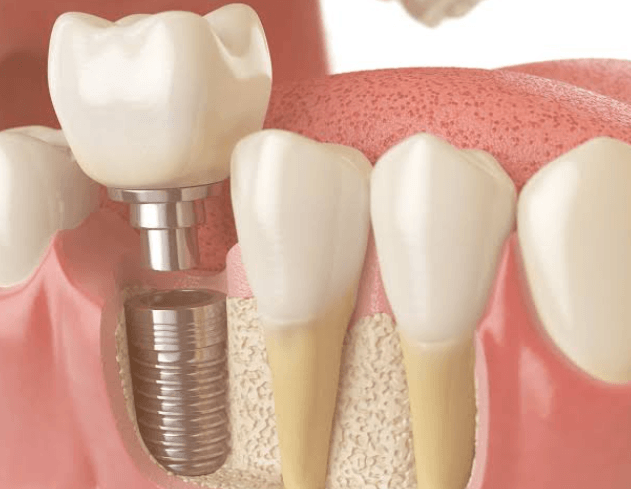
A dental implant works like an artificial tooth root. It needs enough healthy bone around it so it can fuse with the jaw and stay secure under everyday pressure from chewing and speaking. If the bone is too thin, too short, or too soft, the implant may not have the support it needs. That does not always mean treatment is off the table, but it does mean planning matters much more.
This is where many people feel uneasy. You may wonder why bone disappears at all. After a tooth is lost, the jaw in that area no longer gets the same stimulation from biting forces, so the body starts to resorb the bone. Gum disease can speed that up. Trauma can change the shape of the ridge. Even a difficult extraction can leave a defect behind. So, where does that leave you? It means the condition of the bone is just as important as the missing tooth itself.
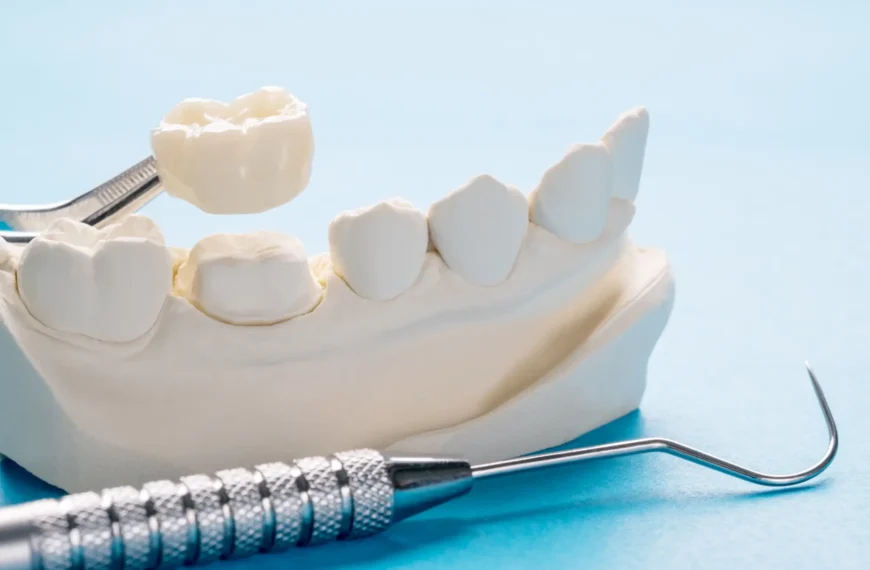
Bone grafting for implants helps rebuild areas that have lost volume or preserve bone right after an extraction. In some cases, a graft is placed first and the implant is added after healing. In other cases, both can be done together if the site is stable enough. The exact timing depends on how much bone is present, where the tooth is located, and whether there is active infection or gum disease that needs attention first.
How does a bone graft improve the odds of successful implant placement?
Think of a graft as support for future healing. It gives the body a framework where new bone can grow. That stronger site can improve implant stability, help the implant sit in a more natural position, and support the gumline for a better final appearance. This matters in back teeth, where chewing forces are strong, and in front teeth, where appearance matters every time you smile.
There is also a practical side to this. Without enough bone, an implant may need to be placed at an angle that is harder to restore, or it may be too close to nearby teeth or sinus spaces. A graft can reduce those issues and make treatment more predictable. If you want a clearer overview of materials used in dental care, the NIDCR guide to dental materials offers useful background.
You may also hear different terms, such as socket preservation, ridge augmentation, or sinus lift. These are all forms of grafting or bone building used to prepare for implants. Jaw bone augmentation for implant placement is simply a broader way to describe the same goal, which is creating enough healthy structure to support the implant well.
What should you weigh when comparing grafting with moving straight to implant treatment?
It is natural to want the fastest option. Still, faster is not always simpler in the long run. If an implant is placed where bone support is weak, the risk of poor healing, poor appearance, or failure can rise. On the other hand, grafting adds time and cost up front, which can feel frustrating. The tradeoff is often better support and a more stable result.
| Option | Short Term Upside | Possible Concern | Why It Matters Later |
|---|---|---|---|
| Implant without grafting when bone is limited | Fewer appointments at first | Less support for healing and positioning | May affect stability, comfort, and appearance |
| Bone graft first, then implant | Builds or preserves the site | More healing time before final restoration | Often improves long term support and placement options |
| Graft and implant at the same visit | Can reduce total treatment stages in selected cases | Not right for every site or every patient | Works best when enough initial stability is present |
What does this mean in real life? If you lost a molar years ago, your bone may have narrowed enough that an implant would sit poorly without site development. If you are replacing a front tooth after trauma, preserving the ridge may help avoid a sunken look in the gumline. If gum disease caused the loss, periodontal health must be controlled so the new implant is not placed into a site that is still under stress.
For a general medical overview of dental bone grafting, MedlinePlus explains the procedure and recovery in plain language on its dental bone graft information page.
See also: 5 Common Myths About Business Accountants And Consultants
What can you do now if you are trying to make the right decision?
1. Ask for a bone and gum evaluation, not just an implant quote.
An implant plan should start with imaging, bone measurements, and a periodontal exam. If the conversation skips over bone quality and gum health, you may not be getting the full picture. A periodontist and implant dentist can help assess whether you need preservation, augmentation, or immediate placement.
2. Ask what problem the graft is solving.
This is a simple question, but it changes everything. Is the graft being recommended to add width, add height, protect the socket after extraction, or support esthetics in the front of the mouth? Once you know the reason, the treatment feels less abstract and more personal to your case.
3. Plan for healing as part of the success, not as a delay.
Healing time can feel like waiting, but it is often where the real success happens. Follow instructions closely, avoid smoking if possible, keep periodontal maintenance visits, and ask what signs of normal healing to expect. A well managed healing period can make the implant stage much smoother.
When you want a result that lasts, is bone grafting worth it?
In many cases, yes. The role of bone grafting in successful implant placement is not to add an extra step for no reason. It is to strengthen the foundation, improve positioning, and support a healthier long term result. If you have been told you need grafting, that does not mean implants are out of reach. It often means your treatment is being planned with care.
If you are weighing your options, take the next step by scheduling a consultation with a periodontist and implant dentist who can evaluate your bone, explain your choices clearly, and help you move forward with confidence.