You may have noticed white, yellow, or brown spots that never seem to brush away, or teeth that look uneven, rough, or smaller than they should. For some people, it starts in childhood. For others, it becomes more upsetting with age as staining deepens, edges chip, and smiling starts to feel like something to manage instead of enjoy. When enamel hypoplasia changes how your teeth look, the cosmetic side of it is not shallow, and seeking cosmetic dentistry in North Raleigh can be part of restoring your smile. It affects comfort, confidence, and the way you move through daily life.
A family and cosmetic dentist looks at the full picture. They do not just ask how the teeth look. They look at why the enamel formed this way, whether the teeth are also weak or sensitive, and which treatments can improve appearance without putting already fragile enamel at risk. That matters because the right fix for one person may be the wrong one for another.
Enamel hypoplasia creates cosmetic issues that often come with sensitivity and wear
Enamel hypoplasia means the enamel did not form fully, so the outer layer of the tooth may be thin, pitted, grooved, or missing in spots. Since enamel is what gives teeth much of their strength, changes in its structure can affect both appearance and durability. Research from the National Institute of Dental and Craniofacial Research on what keeps teeth strong helps explain why enamel defects can lead to real functional problems, not just cosmetic ones.
You might be dealing with discoloration that whitening does not touch, because the issue is not surface stain. You might also have sensitivity to cold drinks, rough areas that catch your tongue, or front teeth that look patchy in photos. In more severe cases, the enamel defect is tied to inherited conditions such as amelogenesis imperfecta, where enamel development is disrupted more broadly.
A family dentist usually starts with a close exam, photos, and X-rays if needed. The goal is to sort out whether the cosmetic concern comes from mild enamel defects, active decay, erosion, grinding, or a developmental condition. The medical term for enamel hypoplasia in the medical literature covers a wide range of severity, which is why treatment has to be tailored.
Family dentists treat the look of enamel defects by protecting the tooth first
People often want the fastest cosmetic fix, especially if the front teeth are involved. That makes sense. If a child is getting comments at school or an adult has learned to smile with lips closed, appearance feels urgent. Still, a careful dentist does not jump straight to the prettiest option. Thin enamel can make aggressive treatment a bad trade if it removes more tooth structure or worsens sensitivity.
That is where cosmetic treatment for enamel hypoplasia differs from routine smile makeovers. A dentist may recommend fluoride treatments, desensitizing products, bite evaluation, or diet changes before doing cosmetic work. If grinding is wearing down already weak enamel, bonding alone may fail. If the spots are shallow and the tooth is sound, a conservative option may be enough. If the enamel is deeply pitted or breaking down, stronger coverage may be the better path.
This is also why family dentists are often a good fit. They treat children, teens, and adults, so they plan with growth, long term maintenance, and comfort in mind. A child with visible enamel defects may need monitoring and protection now, then different cosmetic work later when the teeth and bite are more stable. An adult may need a phased plan that starts with health and ends with appearance.
Cosmetic options for enamel hypoplasia depend on how much enamel is missing
Mild cases may respond well to polishing, microabrasion, resin infiltration, or tooth colored bonding. These approaches can soften the contrast of white or brown areas and smooth rough surfaces with less removal of tooth structure. Bonding is often used when shape, chips, or pits need correction, and it can make a big visual difference in one visit.
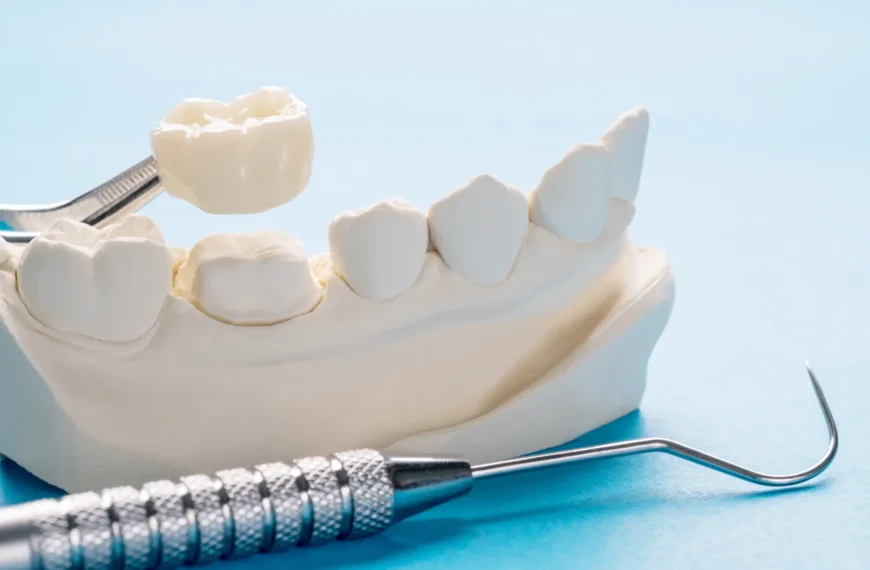
Moderate to severe cases may call for veneers or crowns, especially when the enamel is too weak to support smaller fixes or when the color change is deep. Veneers can improve the front teeth when enough healthy structure remains. Crowns may be better when the tooth needs full coverage and protection. For back teeth with heavy wear or sensitivity, protecting the tooth usually matters as much as improving appearance.
Family dentists addressing enamel defects also talk honestly about maintenance. Bonding can stain or chip over time. Veneers and crowns last longer in many cases, but they require more planning and cost more upfront. There is no single perfect answer. There is the answer that fits your enamel, your bite, your age, and your budget.
See also: How General Dentistry Improves Communication About Oral Health
Comparing cosmetic approaches for enamel hypoplasia helps set realistic expectations
| Option | Best for | Main benefit | Main limitation |
| Professional whitening | Surface stain around otherwise healthy enamel | Simple and noninvasive | Often does not fix developmental spots or patchy enamel color |
| Bonding | Pits, chips, uneven shape, visible discoloration | Conservative and affordable compared with veneers | May stain or chip and need touch ups |
| Veneers | Front teeth with moderate cosmetic defects | Strong cosmetic improvement with natural appearance | Needs enough healthy tooth support and higher cost |
| Crowns | Severe enamel loss, weakness, heavy sensitivity | Protects the tooth while improving appearance | More extensive treatment |
| Watchful monitoring with prevention | Children or mild stable defects | Preserves tooth structure and guides future care | Cosmetic change may be limited for now |
Small next steps can make cosmetic dental care feel manageable
Get a diagnosis before choosing a cosmetic fix. If the enamel defect is developmental, whitening strips and online advice can waste time and money. A proper exam tells you whether the issue is hypoplasia, erosion, decay, or a genetic enamel condition.
Ask for a phased treatment plan. If cost is a concern, say so early. Many people need a plan that starts with the most visible teeth or the most sensitive areas first. A good family and cosmetic dentist can separate what needs immediate care from what can wait.
Protect the enamel you still have. Use a soft toothbrush, low abrasion toothpaste if your dentist suggests it, and avoid frequent acidic drinks or constant snacking on sugary foods. If you grind your teeth, ask about a night guard. Cosmetic results last longer when the teeth are protected.
You do not have to accept a smile that makes you self conscious, and you do not have to rush into treatment that is too aggressive for weakened enamel. The right dental care balances appearance, comfort, and long term tooth health. If enamel defects are bothering you or someone in your family, schedule a visit with a family and cosmetic dentist and ask for a plan built around both protection and confidence.