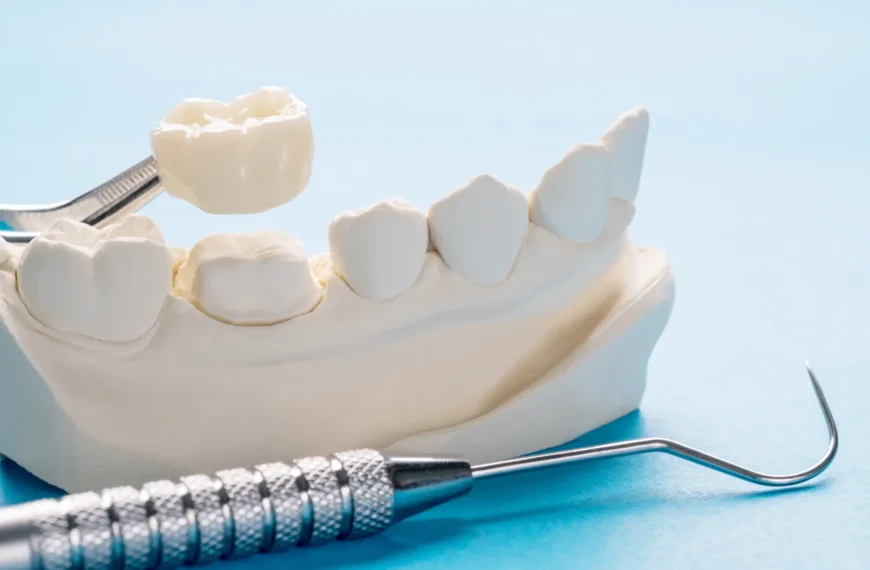
You may have gotten used to hiding your teeth in photos, covering your mouth when you laugh, or feeling a small jolt of embarrassment every time you catch your smile in the mirror. That feeling can build slowly. One chip, one stain, one tooth that shifted a little more than it used to, and suddenly your smile is something you manage instead of enjoy. For patients exploring cosmetic dentistry in North Richland Hills, TX, that change can also be the first step toward feeling confident again.
If that sounds familiar, you are not overreacting. Small cosmetic issues can affect how you speak, eat, smile, and carry yourself. They can also point to problems that are not only about looks. A trusted family and cosmetic dentist can help you sort out what is cosmetic, what is functional, and what deserves attention now instead of later.
3 signs it’s time to explore cosmetic options with your family dentist often come down to this. Your smile bothers you often, the issue is getting worse, or appearance changes are starting to affect comfort and daily life. When any of those show up, a conversation with a dentist usually gives you more clarity than another month of guessing.
Your Smile Is Affecting Confidence More Than You Admit
Many people wait because they think cosmetic dentistry is only for dramatic makeovers or luxury treatments. In real life, the first sign is usually quieter. You stop smiling with your teeth. You angle your face a certain way on video calls. You avoid speaking up in group photos. It can feel minor until you notice how often it happens.
This matters because confidence is part of daily function. If you are thinking about a stained front tooth every time you meet someone, that distraction takes up space. If you are worried that a chipped edge is the first thing people see, you are carrying stress that does not need to be there.
A family dentist can often talk through simple cosmetic options such as whitening, bonding, contouring, or veneers, depending on the cause. If you are wondering whether veneers are right for your situation, this overview on whether you should get veneers gives a useful starting point.
Wear, Damage, and Discoloration Are Becoming Hard to Ignore
Teeth change over time. Coffee, tea, red wine, tobacco, certain medications, grinding, and plain aging all leave marks. A little discoloration is common. A small chip can happen in one bite. The problem is that these changes rarely stay frozen. Enamel does not grow back, and a cosmetic issue can become a structural one if it is ignored.
You might notice one tooth that looks darker than the others, edges that appear uneven, or small cracks that catch the light. Maybe your teeth look shorter than they used to because grinding has worn them down. Those are not only appearance concerns. They can change your bite, increase sensitivity, and make future treatment more involved.
This is where cosmetic options with your family dentist make sense. A dentist who already knows your oral health history can tell the difference between a stain that responds to whitening and a deeper issue that needs a different fix. They can also help you protect the result, especially if clenching or poor habits caused the damage in the first place.
Cosmetic Concerns Are Starting to Affect Comfort and Oral Health
Sometimes the sign is not the way your teeth look. It is the way they feel. A rough chip keeps catching on your lip. Crowded teeth are harder to floss. A worn tooth has become sensitive to cold drinks. A gap that never bothered you now traps food and leaves your gums irritated.
That overlap between appearance and function is why many people start with a cosmetic concern and end up solving more than one problem. Straightening, bonding, reshaping, or restoring a tooth can improve cleaning, reduce irritation, and support a better bite.
Good cosmetic care still starts with the basics. The CDC shares practical oral health tips for adults, including brushing with fluoride toothpaste, flossing, and keeping up with regular dental visits. Cosmetic treatment works best when the foundation is healthy.
Common Cosmetic Concerns and Professional Options
| Concern | What You Might Notice | Possible Professional Option | Why It Helps |
| Surface stains | Yellowing from coffee, tea, or smoking | Professional whitening | Targets discoloration more evenly than store bought products |
| Small chips or uneven edges | Rough spots, asymmetry, self consciousness when smiling | Dental bonding or contouring | Restores shape quickly and can improve comfort |
| Worn or misshapen teeth | Shorter teeth, flattening, bite changes | Bonding, veneers, or crowns | Protects structure and improves appearance |
| Gaps or mild misalignment | Food trapping, uneven smile line | Clear aligners, bonding, or veneers | Can improve both appearance and cleaning |
| Deep discoloration | One dark tooth or stains that do not lift | Veneers or other restorative care | Covers stains that whitening may not fix |
Clear Steps You Can Take Right Away
1. Pay attention to the pattern. Notice when the concern shows up. Is it every time you smile, every time you eat something cold, or every time you see photos of yourself? A repeated issue is easier to discuss when you can describe it clearly.
2. Take a few close photos of your teeth. That sounds simple, but it helps. Compare photos from six months or a year ago if you have them. Changes in color, shape, spacing, or wear are easier to see side by side, and that gives your dentist a better picture of what has been happening.
3. Schedule a cosmetic consultation with a family dentist. Ask direct questions. What is the cause. Is it only cosmetic or partly functional. What are the least invasive options. How long will results last. A good consultation should leave you feeling informed, not pressured.
A Better Smile Usually Starts With One Honest Conversation
If your smile has been bothering you for a while, there is a reason it keeps coming back to mind. The issue may be small now, but small does not mean unimportant. signs you need cosmetic dentistry often show up in everyday moments, in photos, meals, and conversations, long before they become urgent.
A caring cosmetic dentist can help you weigh what matters most to you, whether that is a brighter smile, a repaired chip, or a solution that improves both appearance and comfort. You do not need to figure it out alone. The next step is simply making the appointment and getting clear answers.