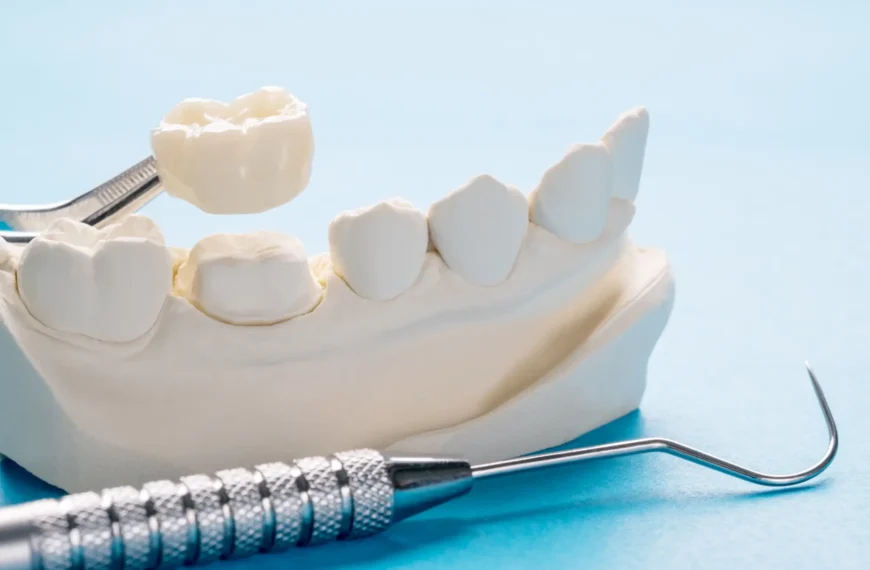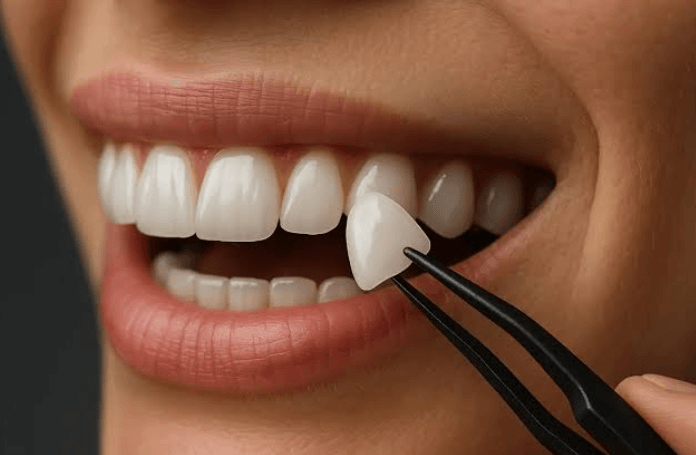
You might be thinking about whitening, veneers, or a more even smile, yet part of you may also wonder whether it makes sense to focus on looks before the basics are in place. That feeling is common. Most people do not want a smile that only looks better for a short time. They want one that feels healthy, functions well, and holds up. That is why family dentistry creates the foundation for aesthetic enhancements in such an important way, and a Southwest Charlotte dentist can help guide that process. When routine care, gum health, bite balance, and cavity prevention come first, cosmetic improvements tend to look better and last longer.
If you have ever felt torn between fixing a problem and improving your appearance, you are not overthinking it. Oral health and smile design are closely connected. A general and cosmetic dentist often starts with the same question you may already be asking yourself. What needs to be healthy first, so the final result feels worth it?
Why does family dental care matter before cosmetic treatment?
It is easy to focus on the part you can see in the mirror. A stain, a chipped edge, a gap, or worn enamel can pull your attention right away. But under that surface, there may be gum irritation, early decay, grinding, or an uneven bite. If those issues are ignored, cosmetic work can become harder to maintain and, in some cases, less successful.
Think about a simple example. You want teeth whitening, but you also have untreated sensitivity and thinning enamel. Whitening may still be possible, but not before the cause of the sensitivity is understood. Or maybe you are considering veneers, yet your gums bleed when you brush. If gum inflammation is active, the final cosmetic result may not look as clean or stable as you hoped.
This is where family dental care and cosmetic dentistry work together. Regular exams and cleanings help catch concerns early. Preventive care supports the teeth and gums that any aesthetic treatment depends on. According to the CDC, consistent oral health tips for adults such as brushing with fluoride toothpaste, flossing, and keeping routine dental visits can reduce the risk of decay and gum disease. Those habits do more than protect your health. They also protect your investment in your smile.
What can happen when cosmetic goals come before oral health?
When people feel self conscious about their smile, it makes sense that they want a quick fix. Still, rushing ahead can create more stress later. A tooth that looks uneven may actually be wearing down because of nighttime grinding. A gap may be linked to shifting caused by gum issues. A dull smile may have less to do with color and more to do with plaque buildup or dry mouth.
Because of this, cosmetic treatment without a strong base can sometimes lead to repeat work, discomfort, or disappointment. You may spend money on appearance changes, only to learn that a cavity, bite problem, or inflamed gums needed attention first. That can feel frustrating, especially when your goal was to simplify things.
So, where does that leave you? In a better place than you might think. A dentist who provides both routine and appearance focused care can map out the sequence clearly. First, stabilize health. Next, improve function if needed. Then move into cosmetic options with more confidence. That is the heart of aesthetic dentistry foundations. It is not about delaying the smile you want. It is about making that smile more predictable.
There is also a bigger health picture here. The National Institute of Dental and Craniofacial Research explains the link between a healthy mouth and a healthy body. When your mouth is cared for, you are supporting more than appearance alone. That perspective can make routine dental care feel less like a chore and more like a smart first step.
How do preventive treatments support cosmetic dentistry results?
Preventive care often sounds basic, but it plays a large role in how well cosmetic work performs over time. Cleanings remove buildup that can affect color and gum shape. Exams catch cracks, decay, and wear before they grow. Fluoride helps strengthen enamel, which matters if your teeth are prone to sensitivity or decay. The CDC explains how fluoride protects teeth by helping prevent cavities and supporting enamel strength.
That matters for many common smile upgrades. Whitening tends to go more smoothly when the teeth are clean and healthy. Bonding lasts better when decay is treated first. Veneers and crowns depend on stable gums and enough healthy tooth structure. Even orthodontic improvements look better when the teeth and gums are in good condition.
| Situation | If you start with family dentistry | If you skip the foundation |
|---|---|---|
| Teeth whitening | Sensitivity and decay can be checked first, improving comfort and results | Whitening may increase discomfort or highlight untreated issues |
| Veneers or bonding | Gum health and bite can be stabilized for a cleaner, longer lasting result | Inflamed gums or bite stress can affect appearance and durability |
| Smile makeover planning | Treatment can be phased in a practical order, often reducing surprises | Hidden problems may lead to extra visits, added cost, or rework |
What steps can you take right now if you want a better looking smile?
1. Start with a full health first exam. If your main goal is cosmetic, say that clearly, but ask for a full evaluation of your teeth, gums, enamel, and bite. That gives you a realistic picture of what should happen first and what can wait.
2. Ask for a phased treatment plan. You do not always need to do everything at once. In many cases, routine care, gum treatment, fillings, or night guard support can come first, followed by whitening, bonding, or veneers. A step by step plan often feels more manageable emotionally and financially.
3. Protect the results at home. Brush twice a day with fluoride toothpaste, clean between your teeth daily, and keep up with checkups. If you grind your teeth, ask about protection. If you drink coffee, tea, or wine often, ask how to reduce staining after treatment. Small habits make a real difference.
See also: 5 Common Myths About Business Accountants And Consultants
Could the path to a better smile be simpler than it seems?
It often is. When you stop seeing routine dental care and cosmetic treatment as separate things, the path becomes clearer. General care supports comfort, stability, and long term value. Cosmetic care builds on that base to improve how your smile looks. Together, they create a result that feels more natural and easier to maintain.
If you have been weighing your options, take that as a sign to begin with the foundation. A general and cosmetic dentist can help you sort out what your smile needs first, what your choices are next, and how to move forward with confidence.