You might be feeling torn right now. Your child needs dental care, but the thought of tears, fear, or a difficult visit can sit heavily on you long before the appointment even begins. Many parents know this feeling well. They want to protect their child, help them stay healthy, and avoid turning the dentist into something their child dreads for years. That is where sedation dentistry for children can offer a softer path. Families also exploring clear aligners for teeth in Wichita Falls may appreciate having compassionate dental options that support comfort and confidence.
In simple terms, sedation can help children feel calmer and more comfortable during dental treatment. It is not a one size fits all answer, and it is not used for every child or every procedure. Still, when fear, age, special health needs, or lengthy treatment make a visit hard, it can be a thoughtful option. The goal is not just to get through one appointment. The goal is to help your child receive safe care with less stress for everyone involved.
Why can a child’s dental visit feel so overwhelming in the first place?
Children are not just small adults. They process sound, touch, time, and fear in their own way. A bright light, a new face, the hum of a tool, or the need to sit still can feel much bigger to a child than it does to you. Because of this, even a routine visit can become emotional fast, especially if your child is very young, has had a hard medical experience before, or already feels anxious.
And when a child is scared, parents often carry that stress too. You may worry about whether treatment can even happen, whether delaying care will make things worse, and whether your child will remember the appointment as something painful or frightening. So, where does that leave you?
It helps to know that behavior guidance in pediatric dental care is built around the child’s needs, not around force or pressure. The American Academy of Pediatric Dentistry explains this in its behavior guidance recommendations, which outline ways dental teams support comfort, communication, and trust. Sedation is one tool within that larger picture. It is not the whole plan. It is part of a careful approach to care.
See also: How Small Daily Rituals Shape the Life You Actually Want to Live
What does gentle dental sedation for kids actually mean?
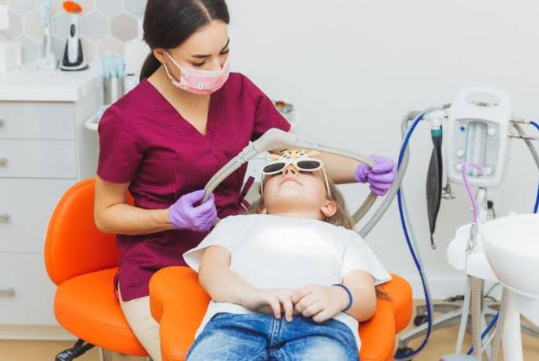
Gentle dental sedation for kids usually means using medication to reduce fear, support cooperation, and make treatment easier on the child. The level of sedation can vary. Some children may only need nitrous oxide, often called laughing gas, which helps them relax while staying awake and able to respond. Others may need a deeper level of sedation depending on the procedure, their age, or their ability to tolerate care.
Nitrous oxide is commonly used because it works quickly and wears off fast after treatment. The AAPD’s guidance on the use of nitrous oxide for children explains when it may help and how it should be used safely. For many families, it can be a middle ground between no sedation and more advanced options.
Still, not every child is a match for every type of sedation. A child with severe anxiety may need more support than nitrous oxide can offer. A child with certain medical conditions may need extra review before any sedative is used. That is why a full health history matters so much. Safe care starts long before treatment begins.
How do you weigh the benefits and concerns of pediatric sedation dentistry?
When parents hear the word sedation, they often think of risk first. That response makes sense. You want answers, not vague reassurance. The good news is that pediatric sedation follows strict safety expectations. The AAPD provides detailed guidance for the monitoring and management of children before, during, and after sedation. That includes patient selection, monitoring, recovery, and emergency readiness.
At the same time, there are real benefits to consider. Sedation may help a child complete needed treatment in fewer visits. It may lower the chance of a traumatic experience. It may also allow the dentist to work more efficiently when a child cannot safely sit still. For a child in pain or with extensive dental needs, waiting too long can create bigger problems, both physically and emotionally.
| Option | Best Fit | Main Benefit | Key Consideration |
| No sedation | Calm child, simple procedure | Avoids medication | May be hard if fear or movement gets in the way |
| Nitrous oxide | Mild to moderate anxiety, shorter visits | Quick onset and recovery | Child still needs to cooperate to some degree |
| Moderate or deeper sedation | High anxiety, very young child, longer or complex treatment | Greater comfort and treatment access | Needs closer monitoring and detailed medical review |
This is why many parents start by asking not just, “Is sedation safe?” but also, “What happens if my child cannot get care without it?” That question matters. Sometimes the bigger risk is untreated decay, infection, repeated failed visits, or a lasting fear of the dentist.
What can you do right now if you are considering children’s dental sedation?
1. Ask for a full explanation of the plan.
You deserve clear language. Ask what type of sedation is being recommended, why it fits your child, what alternatives exist, and what the appointment will look like from start to finish. If anything feels rushed or unclear, keep asking.
2. Share your child’s full medical and emotional history.
Even details that seem small can matter. Tell the dental team about allergies, medications, sleep issues, past reactions to sedation, sensory concerns, anxiety, or developmental needs. A safer plan depends on an honest, complete picture.
3. Prepare your child and yourself for the day.
Follow all instructions about food, drink, and arrival time carefully. Bring comfort items if allowed. Keep your tone calm and simple with your child. Children often take their cues from you, so a steady voice can go a long way.
What should you remember as you make this decision?
If you are weighing pediatric sedation dentistry, you are not overreacting, and you are not taking the easy way out. You are trying to make a careful choice for a child who may need more support than a standard visit can offer. That is thoughtful parenting.
The right approach depends on your child’s health, personality, treatment needs, and comfort level. With good screening, proper monitoring, and open communication, sedation can be a kind and practical part of dental care. And sometimes, a gentler visit today helps build a healthier relationship with the dentist for years to come.
If your child is struggling with dental fear or needs treatment that feels hard to manage, ask a general dentist about sedation options and whether they may be appropriate for your family.