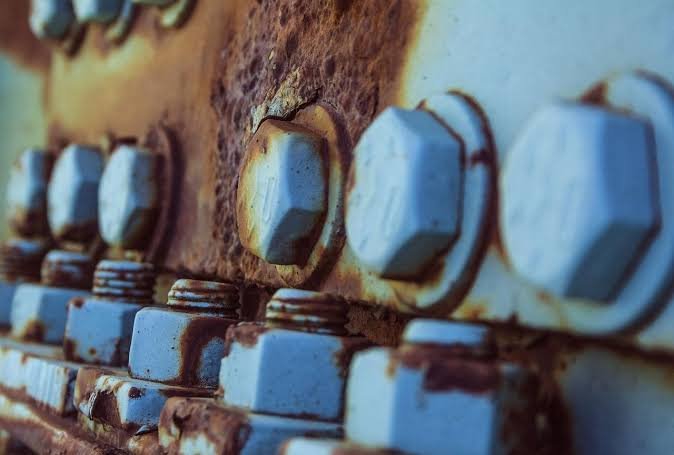
You see a small patch of rust, and think it might not seem too severe at first glance. However, beneath the surface it can form a bigger problem on a bridge, pipeline, building, or transportation system. Corrosion can compromise steel pieces on infrastructure and reinforce concrete and cause repairs if it is not framed in time.
Corrosion development needs to be understood in order to get a greater protection of infrastructures.
How Does Corrosion Begin?
The corrosion is a chemical reaction that occurs when metals come into contact with, either water or various elements in their environment. Just add water and oxygen to get the ball rolling. Road salt or seawater can exacerbate the problem by adding chlorides.
In the case of reinforced concrete, corrosive agents are able to reach the embedded steel via cracks or pores. As the steel rusts it can expand, pushing against the surrounding concrete.
It may cause cracking, delaminating, or spalling.
Where is the Risk Highest?
Exposed conditions for different infrastructure systems acts differently. On bridges located in coastal regions, the issue is saltwater and airborne chlorides. De-icing salts may be applied to the roads. It includes exposure from industrial facilities.
Common risk areas include:
- Bridge decks and supports
- Parking structures
- Pipelines and tanks
- Coastal structures
- Reinforced concrete buildings
The risk is determined by the materials, environment, design, and current or historical maintenance record.
What Damage Can Corrosion Cause?
Corrosion deposition in infrastructures are not merely on surface. The presence of damage in RC components will lead to reduced capabilities of the structure, which is mainly a result of the initiation and development of strain in reinforcement. Steel components that have corroded must often be replaced, as well or strengthened.
Complicated repairs involve the removal of damaged concrete, treating reinforcement, applying protective systems, and restoring of the surface. Such projects can be labor-intensive and may halt normal operations.
Consequently, the devastating impact of corrosion on infrastructure systems is widely recognized as both a physical degradation and increased operations and maintenance burden.
Prevention Starts with Design
Corrosion control ground should start before the construction phase. Materials and protective systems can be chosen to fit the expected environment.
These can be deterioration-resistant reinforcements, protective coatings, concrete quality disincentives which could, drainage systems, and sufficient cover.
There is no one size suit all when it comes to projects. To protect against exposure, the protection should be consistent with the risk.
See also: How Bookkeepers Strengthen Business Owner Confidence
Inspect Before Problems Grow
Regular inspections can detect cracks, coating damage, discoloration, and other early signs of trouble. Keep the pavers in tiptop condition so a small cracking or buckling in your sidewalk or driveway does not become a large repair project.
Owners can mitigate the risk to structural performance, control costs with maintenance, and manage service life by addressing corrosion that occurs on infrastructure early.
Combined good design, quality construction, and proper inspection is really the best defense against corrosion.